Polo T Shirt Manufacturer in India Fabric GSM Fit and Customisation Guide

A polo T-shirt looks simple until production begins. The collar must sit correctly, the placket must stay neat, the fabric must feel right, and the finished garment must survive repeated washing without twisting, shrinking badly or losing shape.
For fashion labels, retailers, wholesalers and private-label businesses, these details decide whether a polo feels average or premium. Choosing the right polo T-shirt manufacturer in India is not only about price or capacity. It is about finding a production partner who understands fabric, GSM, fit, finishing and bulk consistency.
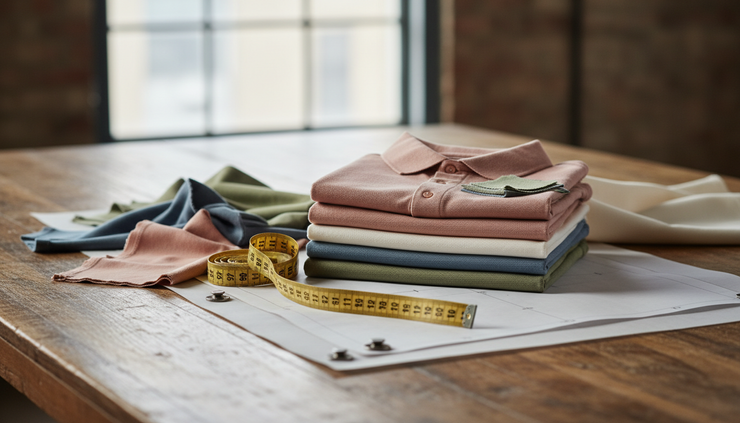
What makes a good polo T-shirt
A good polo starts with the right balance of fabric, construction and fit. There is no single specification that works for every brand.
A lightweight polo for summer retail will need a different hand feel from a heavier, structured polo for a premium collection. A school uniform polo may need colour fastness and durability above everything else. A fashion polo may need a sharper fit, special wash, custom collar or contrast detailing.
The main elements to get right are:
Fabric construction and fibre blend
GSM and weight balance
Collar and cuff quality
Fit across all sizes
Placket shape and button placement
Stitching, finishing and seam strength
Shrinkage control after washing
Colour consistency in bulk production
An experienced polo shirt manufacturer in India adds value by connecting these choices. A collar that looks good on a sample may not suit a very light fabric. A premium GSM may feel too heavy for humid markets. A slim fit may need fabric with better recovery. Each decision affects the final garment.
Choose the right fabric before fixing the design
Fabric is usually the first major decision in polo development. It controls how the garment feels on the body, how it drapes, how it prints or embroiders, and how long it keeps its shape.
Cotton pique works well for classic polos
Pique is one of the most common polo fabrics. It has a textured knit surface and gives the garment a structured, breathable feel. It is widely used for uniforms, casualwear and retail polo lines.
Cotton pique works well when the brand wants a familiar polo look. Combed or compact cotton can improve softness and reduce hairiness on the fabric surface.
Jersey gives a softer T-shirt feel
Jersey polo fabric feels smoother and lighter than pique. It is suitable for casual fashion polos, soft retail basics and relaxed fits. It drapes more like a T-shirt, so it may not give the same structured collar appearance unless the trims are chosen carefully.
Blends can improve performance
Cotton-polyester blends are often used where durability, faster drying and better shape retention matter. Elastane can add stretch and comfort, especially in slim-fit polos.
The choice should match the product goal. A premium lifestyle polo, a workwear polo and a promotional polo should not be built from the same fabric just because the design looks similar.

GSM changes how the polo feels and performs
GSM means grams per square metre. It tells you the weight of the fabric, but it does not tell the whole story. Two fabrics with the same GSM can feel different depending on yarn quality, knitting, finishing and fibre blend.
Still, GSM is useful when building a product range.
GSM range | Common use | Typical feel |
160 to 180 GSM | Lightweight summer polos | Softer, airier, easier to wear in warm weather |
190 to 220 GSM | Everyday retail and uniforms | Balanced weight with better structure |
230 GSM and above | Premium or heavy polos | More substantial, structured and dense |
Higher GSM does not always mean better quality. For Indian weather, a very heavy polo may feel uncomfortable for daily use. A lower GSM can work well if the yarn, knitting and finishing are strong.
The better question is: What should the polo feel like after several washes? That is where sampling and testing matter.
Fit needs more attention than most brands expect
Fit is one of the fastest ways to spot a poorly developed polo. Even when the fabric is good, the garment can fail if the shoulder width, chest, sleeve length or body length feels wrong.
A manufacturer should help refine the size set before bulk production. This includes checking the base size, grading rules and tolerance limits.
Key fit points include:
Shoulder seam placement
Chest ease
Sleeve opening
Body length
Collar depth
Placket length
Bottom hem shape
A regular fit may suit uniforms and wholesale orders. A slim fit may work better for fashion retail. An oversized or boxy fit may suit streetwear collections. The pattern should match the customer, not just a generic size chart.

Customisation should be planned early
Custom polos often involve more than adding a logo. The right manufacturer should be able to support design and production details that fit the brand’s use case.
Common customisation options include:
Embroidery on chest, sleeve or back
Screen printing or heat transfer
Custom collar tipping
Contrast placket or inner neck tape
Branded buttons
Woven labels and care labels
Custom hang tags and packaging
Ribbed cuffs or open sleeves
Side slits and reinforced seams
Embroidery works well on pique and thicker fabrics, but the backing and stitch density must be managed properly. Printing may look cleaner on smoother jersey surfaces. Collar tipping needs careful colour matching, especially when the body fabric is dyed separately.
Customisation should be discussed during sampling, not after bulk fabric is ready. Late changes can affect cost, lead time and quality.
Quality checks protect the bulk order
A good sample is only the starting point. Bulk production needs checks at each stage so the final order matches the approved standard.
Important checks include:
Fabric inspection
The fabric should be checked for holes, shade variation, stains, knitting defects and width variation before cutting.
Shrinkage testing
The polo should be measured before and after washing. This helps adjust patterns and avoid size issues later.
Stitching and seam review
Side seams, shoulder seams, armholes, plackets and hems should be neat, strong and consistent.
Colour consistency
Bulk rolls should be checked against the approved lab dip or shade standard. This is especially important for repeat orders.
Final measurement check
Finished garments should be measured by size against the approved spec sheet and allowed tolerances.

How to choose the right manufacturer
The best manufacturer for a polo order is not always the one with the lowest quote. Look for a team that asks detailed questions before production begins.
A reliable partner should discuss:
Fabric type and GSM
Fit reference and size chart
Collar and cuff construction
Shrinkage expectations
Colour matching process
Sampling timeline
Minimum order quantity
Labelling and packing needs
Inspection process before dispatch
Ask for samples that show similar fabric, stitching and finishing quality. If possible, review washed samples, not only fresh pieces. Washing often reveals issues that are invisible at first glance.
A strong manufacturer will also tell you when a specification may not work well. That honesty can save time, fabric and cost during bulk production.
Build the polo around the end use
A great polo is built backwards from its purpose. Daily uniforms need durability and easy care. Retail polos need fit, colour and shelf appeal. Premium polos need refined fabric, trims and finishing. Promotional polos need cost control without looking careless.
Once the end use is clear, fabric, GSM, fit and customisation become easier to decide. The right manufacturing partner will help turn those choices into a polo that looks good, feels comfortable and stays consistent across the full order.

Comments